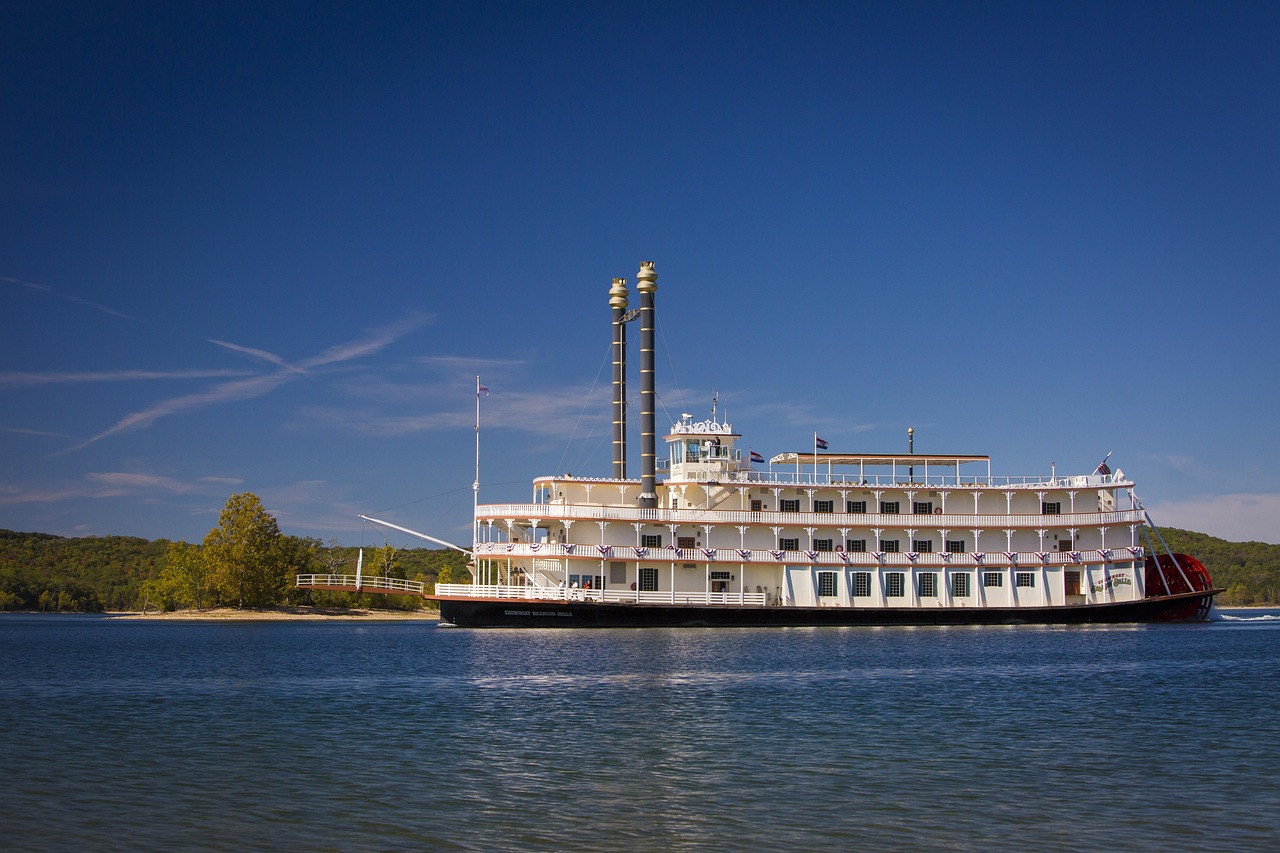
Revolutionize Your Water Travel: The Ultimate Steamboat Guide
What is a Steamboat?
Steamboats are watercraft powered by steam engines, known for their distinctive appearance and historical significance. They offer a unique blend of power, reliability, and passenger comfort, making them ideal for various applications from leisure cruising to commercial transportation.
Key Benefits:
- Versatility: Steamboats can navigate shallow waters inaccessible to larger vessels, opening up new routes and destinations.
- Environmental Friendliness: Compared to gasoline-powered boats, steam engines produce fewer emissions and are more energy efficient.
- Quiet Operation: The gentle hum of a steam engine creates a serene atmosphere, unlike the loud rumble of internal combustion engines.
- Aesthetic Appeal: Steamboats exude timeless elegance and charm, evoking a sense of nostalgia for bygone eras.
Comparing Steamboats to Modern Alternatives
While modern boats dominate the market, steamboats hold their own against contemporary alternatives in key areas:
Cost:
- Initial Investment: Steamboats generally require higher upfront costs due to their specialized construction and engineering. However, they offer long-term cost savings through reduced fuel consumption and lower maintenance expenses compared to gas-powered boats of similar size.
- Operational Expenses: Steam engines have fewer moving parts than internal combustion engines, leading to less wear and tear and lower maintenance needs over time.
Performance:
- Speed & Maneuverability: Modern boats often outperform steamboats in raw speed. However, steamboats excel in shallow-water navigation and can achieve impressive maneuverability thanks to their lower center of gravity and robust propulsion systems.
- Fuel Efficiency: Steamboats are significantly more fuel-efficient than gasoline-powered boats, reducing operating costs and environmental impact. Studies show that steam engines can be up to 50% more efficient.
Environmentality:
- Emission Output: Steamboats produce considerably lower emissions compared to conventional boats, contributing less to air pollution and water contamination.
Market Data & Statistics:
- According to the International Maritime Organization (IMO), the global market for marine propulsion systems is projected to reach USD 30 billion by 2025, with a growing demand for cleaner, more sustainable solutions – making steam technology increasingly relevant.
- A recent study by the World Bank found that adopting cleaner energy sources in shipping, including steamboats, could reduce greenhouse gas emissions by up to 30% by 2050.
Key Steamboat Features & Specifications:
Let's delve into the essential components and characteristics defining modern steamboat design:
- Propulsion System: The heart of any steamboat lies in its steam engine, typically a high-pressure, fire-tube or water-tube design. These engines convert heat energy from burning fuel (wood, coal, or biomass) into mechanical power to turn propellers.
- Hull Design: Steamboats are designed for stability and buoyancy, often featuring shallow drafts to navigate rivers, lakes, and coastal areas with limited depth.
- Accommodation & Amenities: From luxurious cruise ships to rustic riverboats, steamboats offer a variety of passenger accommodations and amenities catering to different needs and preferences.
Implementing Your Own Steamboat: A Step-by-Step Guide
Building your own steamboat is a complex but rewarding endeavor requiring careful planning, technical expertise, and adherence to safety regulations. Here’s a simplified roadmap:
-
Design & Planning:
- Define your steamboat's purpose (leisure, commercial, historical reconstruction).
- Choose a suitable hull design based on intended water bodies and load capacity.
- Design the engine room layout, incorporating the steam engine, boiler, fuel storage, and safety systems.
-
Acquisition of Materials:
- Source high-quality materials like steel or aluminum for the hull, pressure vessel, and machinery components.
- Procure a suitable steam engine (rebuilt or new), boiler, and other essential components from reputable suppliers.
-
Construction & Assembly:
- Construct the hull using specialized welding techniques and ensure strict adherence to structural integrity standards.
- Install the steam engine, boiler, and other systems within the designated engine room.
- Rigging, plumbing, electrical wiring, and interior fitting out follow according to detailed specifications.
-
Testing & Commissioning:
- Conduct thorough pre-launch inspections and testing of all systems, including the engine, pressure vessels, and safety equipment.
- Perform sea trials in controlled environments before venturing into open waters.
-
Regulatory Compliance: Obtain necessary permits and certifications from local marine authorities to operate your steamboat legally.
Case Studies: Real-World Steamboat Applications
-
Eco-Tourism: Steamboats are increasingly used for eco-friendly tourism, offering visitors a unique perspective on nature while minimizing environmental impact.
-
Cargo Transportation: In remote areas with limited infrastructure, steamboats provide essential cargo transport services connecting communities and markets.
-
Historical Reconstruction: Steamboats play a vital role in preserving maritime history through authentic replicas used for educational purposes and heritage cruises.
User Demographics: Who Uses Steamboats?
Steamboat ownership and usage span diverse demographics:
- Enthusiasts & Collectors: passionate individuals who appreciate the allure of steam power and embrace the challenge of maintaining historical vessels.
- Eco-Conscious Travelers: people seeking sustainable travel options that minimize their environmental footprint.
- Business Owners: operators providing passenger cruises, cargo services, or unique tours in scenic locations.
- Educational Institutions: universities and museums utilizing steamboats for research, education, and historical demonstrations.
Looking Ahead: The Future of Steam Power on Water
While traditional steam technology remains prevalent, innovation continues to shape the future of steamboats:
- Hybrid Systems: Combining steam power with electric propulsion enhances efficiency and reduces emissions further.
- Advanced Materials: Newer materials like composite fabrics offer lightweight alternatives for hulls and components, improving maneuverability and fuel economy.
- Autonomous Navigation: The integration of sensors, GPS, and AI-driven systems promises safer and more efficient autonomous steamboat operations in the future.
Category: steamboat